Choosing Between A Townhome Or House In Arlington
June 4, 2026
June 4, 2026
If you are deciding between a townhome and a house in Arlington, you are not alone. At first glance, the choice can seem simple, but once you compare price, monthly cost, maintenance, parking, and HOA rules, the answer gets more personal. The good news is that with the right information, you can choose the home type that fits your budget and your day-to-day life. Let’s dive in.
In Arlington, townhomes and houses can overlap more on price than many buyers expect. Redfin reported Arlington’s median sale price at $335,000 in March 2026, and its townhome page showed a median listing price of $337,000.
Current listing counts also show a major inventory difference. Zillow shows about 56 townhome listings in Arlington compared with roughly 750 single-family listings, which means detached houses still make up the bulk of available homes.
That matters because your best option may not come down to sticker price alone. In Arlington, it often makes more sense to compare the all-in monthly cost of each option instead of assuming a townhome will always be cheaper.
Visible Arlington listings show broad price ranges on both sides. Townhomes are listed from about $190,000 to $455,000, while single-family homes range from about $130,000 to $1 million.
Because those ranges overlap, a lower-priced townhome can still cost more each month if HOA dues are high. A house with a slightly higher price may be the better fit if it has no HOA dues or fewer shared costs.
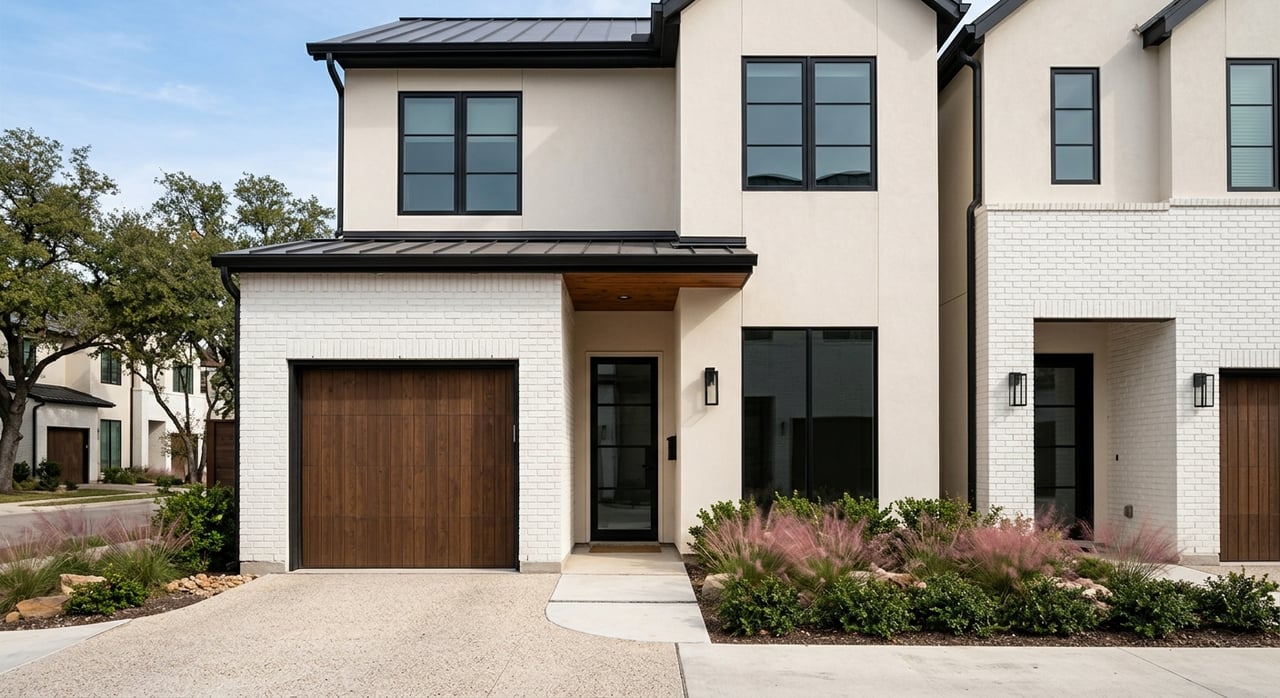
A townhome is generally a two- or three-level home attached by a shared wall. Fannie Mae describes townhomes as homes that usually have a private entrance and may include a patio or deck, with HOA fees often covering exterior areas or shared amenities.
For many buyers, the biggest appeal is simpler upkeep. If you want less exterior maintenance and less yard work, a townhome can be a practical option.
Townhome living can make sense if your priority is convenience. Depending on the community, the HOA may handle some exterior maintenance or common-area care, which can reduce your personal to-do list.
You may also find that a townhome gives you the space you need without the added work of a larger lot. That can be especially appealing if you travel often, work long hours, or simply want a lower-maintenance routine.
Not every townhome community works the same way. The exact maintenance split depends on the deed restrictions and HOA documents, so you should confirm what the HOA maintains and what remains your responsibility.
You should also ask about parking early in the process. Arlington has a Redfin Walk Score of 38, which means day-to-day convenience often depends heavily on your car, so garage space, guest parking, and street-parking rules can have a real impact on your routine.
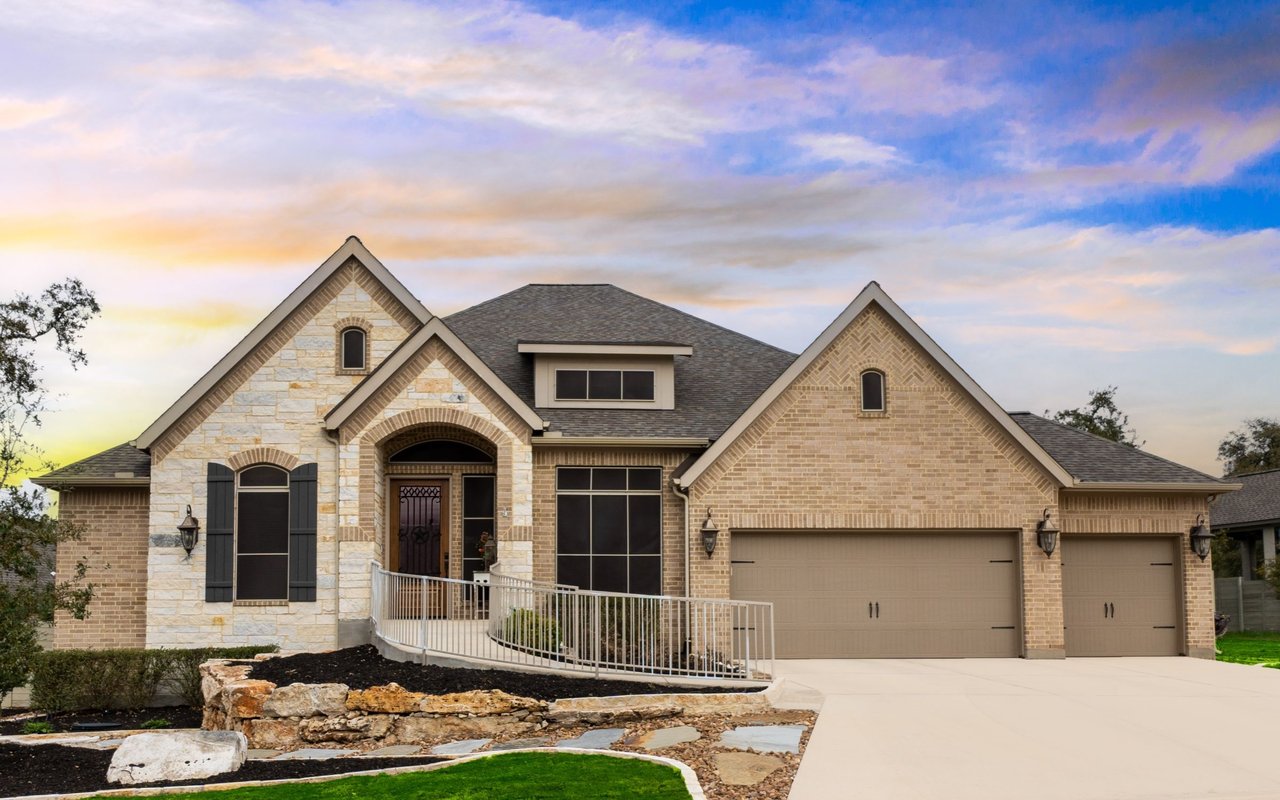
A single-family detached home is a stand-alone dwelling. Fannie Mae notes that the homeowner is usually responsible for maintenance inside and out.
That extra responsibility is often the tradeoff for more control. If you want more private outdoor space, fewer shared walls, or more flexibility over the property, a detached house may be a better match.
With a house, you usually have more direct control over the exterior, the yard, and the way the property functions day to day. You are less likely to depend on an HOA for decisions about common areas or shared building issues.
You may also have more choices in Arlington simply because inventory is much higher. That larger pool can make it easier to compare locations, layouts, lot sizes, and parking options.
More independence usually means more maintenance. Lawn care, exterior repairs, and other upkeep are generally your responsibility, and those costs should be part of your planning from the start.
A detached house may look straightforward compared with a townhome, but you still want to compare total ownership costs. Insurance, maintenance, and utilities can shape your monthly budget just as much as the mortgage payment.
One of the most important details is easy to miss: townhome is a building style, not a legal ownership type. A property marketed as a townhome may be structured as fee-simple, part of a planned unit development, or condo-style.
That legal structure can affect financing, insurance, and closing. It can also change what the HOA owns, what the HOA maintains, and what costs fall on you.
Fannie Mae’s PUD rules say a project qualifies only when HOA membership is automatic, assessments are mandatory, common property is owned and maintained by the HOA, and the unit is not legally part of a condo or co-op project. That is why it is important to confirm exactly how the property is structured before you get too far into the process.
In Texas, most associations must provide governing documents and a resale certificate when requested, and the state’s Property Code sets the framework for what associations must disclose. For you as a buyer, that means there is real value in reviewing HOA documents early, not after you are emotionally attached to the home.
Before you make an offer on a townhome in Arlington, ask:
These questions help you move past the listing photos and understand the actual cost and risk.
This is where many buyers make the best decision. Instead of asking, “Which home is cheaper?” ask, “Which home gives me the best monthly fit?”
HOA dues are usually paid separately from the mortgage payment and can range from a few hundred dollars per month to more than $1,000 per month depending on the community. Freddie Mac also includes HOA dues in the monthly housing-expense-to-income ratio, which means those fees can directly affect what you qualify for.
When you compare a townhome and a house in Arlington, look at:
A townhome with a lower list price may still stretch your budget if the HOA dues are high. A detached house may have a higher price but lower ongoing shared costs.
From a lending standpoint, not all properties are reviewed the same way. Fannie Mae says project eligibility for condos, co-ops, and PUDs is separate from borrower credit risk, so a condo-style townhome can involve an added layer of project review that a detached house typically does not.
That does not mean a townhome is a bad choice. It simply means the community itself can affect the loan process.
If the townhome is condo-style, the lender may need to review the project’s overall condition and eligibility. Fannie Mae notes that common ineligible reasons include insufficient master property insurance and critical repair issues.
Large special assessments or major repair concerns can also affect appraisal review. In practical terms, the strength of the HOA can influence both your approval path and your future costs.
Fannie Mae’s project standards FAQ describes a 10% annual budgeted replacement reserve allocation for condo project review, with that minimum rising to 15% for applications dated on or after August 3, 2026. While lenders are not required to evaluate reserve studies for eligibility, the HOA budget and related documents still matter.
This is one reason finance-focused guidance can make such a difference. A property that looks like a great value on paper may come with budget or project issues that deserve a closer look before you commit.
Insurance can also vary based on the legal structure of the property. Fannie Mae describes master insurance as a policy that a condo or HOA buys for exteriors and common areas.
For PUD loans, individual insurance policies are generally required unless the legal documents allow a master policy to satisfy the requirement. That is another reason you should verify the townhome’s legal setup and not assume all attached homes are insured the same way.
If you are trying to make the final call, start with your real life, not just the listing sheet. Think about how long you plan to stay, how much exterior upkeep you want, how important private outdoor space is, and whether HOA rules fit your plans.
A townhome may be the right fit if you want lower exterior responsibility, a simpler routine, and the community structure works for your budget. A house may be the better choice if you want more control, more inventory options, and fewer shared decision points.
Choose a townhome if you value:
Choose a house if you value:
The key is to compare the full picture with clear numbers and documents, not assumptions.
If you want help weighing townhome versus house options in Arlington, Henderson Realty Group can help you compare monthly costs, review property details, and move forward with confidence.
Your home is more than an address—it’s a reflection of your lifestyle. Partner with an expert who truly understands what luxury means.
ADDRESS 221 Bedford Rd Ste 108 Bedford TX 76022