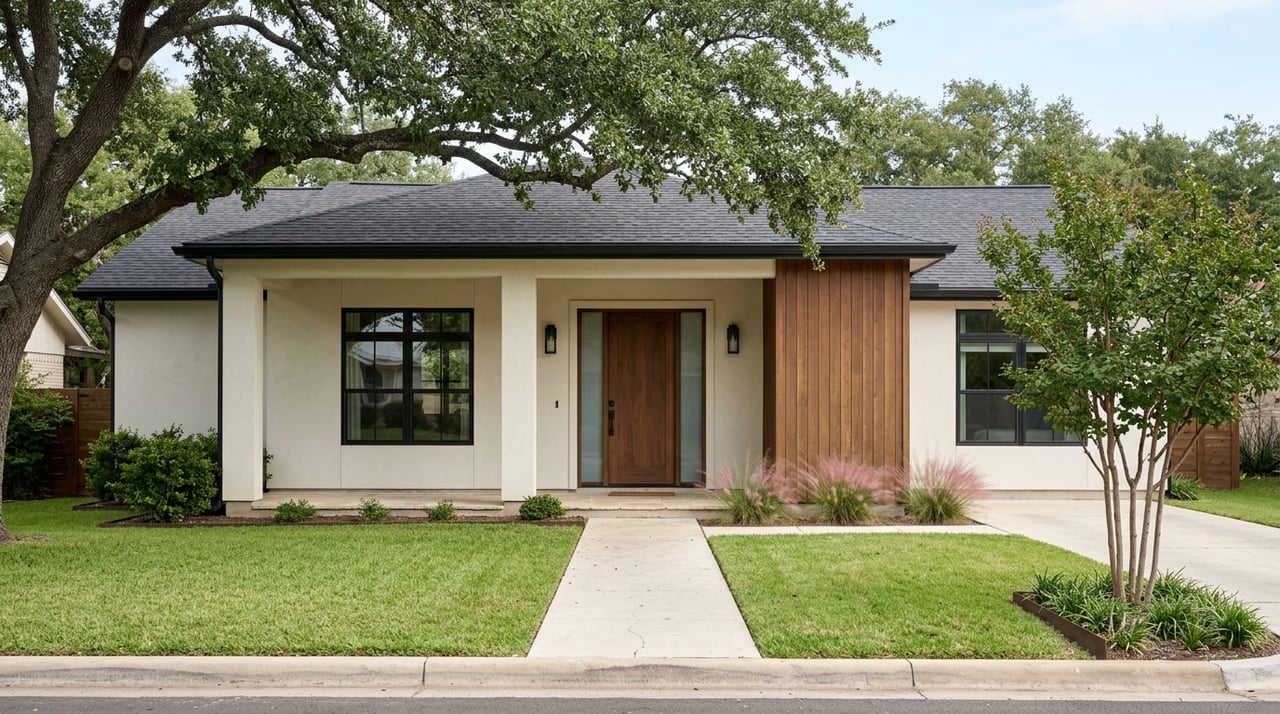
How to Sell Your Home in Arlington Step by Step
April 16, 2026
April 16, 2026
Selling your home in Arlington can feel like a lot to manage, especially when pricing, prep, showings, and closing details all affect your bottom line. If you want to sell with fewer surprises, it helps to understand what happens at each stage and where Arlington-specific market conditions can shape your strategy. This step-by-step guide walks you through the process so you can make informed decisions and move forward with confidence. Let’s dive in.
Before you list your home, it helps to know what kind of market you are stepping into. Arlington is somewhat competitive, but it is not a market where every home automatically sells fast and over asking.
According to Redfin’s Arlington housing market data, the median sale price was $320,000 in February 2026, homes averaged about 63 days on market, the average sale-to-list ratio was 97.3%, and 27.1% of listings had price drops. Some homes still receive multiple offers, but the average home sells for about 2% below list price.
Local data also shows why hyperlocal pricing matters. An Arlington Board of REALTORS market snapshot reported a median price of $340,000, 3.1 months of inventory, 745 active listings, 195 closed sales, and 52 days on market. In plain terms, Arlington sellers need a pricing strategy based on nearby comparable sales, current competition, and your home’s condition, not broad statewide averages.
A strong sale usually starts before the sign goes in the yard. Your first step is to sit down with a real estate professional and talk through your goals, timing, property condition, pricing expectations, and likely net proceeds.
In Texas, brokers and sales agents have fiduciary duties to their clients and must present offers and counteroffers, according to the Texas Real Estate Commission. That early consultation is the right time to set expectations about the process, paperwork, negotiation strategy, and the roles of the professionals involved.
This is also when you should discuss your financial picture. If you are buying another home after you sell, timing matters. If you want to maximize proceeds, you need to understand likely expenses up front rather than after you accept an offer.
Sale price is important, but it is not the same as what you actually walk away with at closing. Your net proceeds can change based on title fees, negotiated credits, repair costs, prorated taxes, and other settlement adjustments.
That matters in Arlington because property taxes are a real part of the equation. The City of Arlington explains that Tarrant County sends one combined bill covering taxes owed to the city, county, Tarrant County College District, hospital district, and school district, and the city’s FY26 tax rate is $0.6298 per $100 of assessed value.
The Consumer Financial Protection Bureau’s closing guidance notes that closing statements often include adjustments for prepaid items and unpaid taxes or fees. That is why a finance-first conversation at the beginning can help you avoid surprises later.
One of the easiest ways to reduce stress is to get your paperwork ready before your home hits the market. That can include warranties, appliance manuals, repair records, survey information if available, and any documents related to recent updates.
Texas sellers of previously occupied single-family homes are also generally required to provide the TREC Seller’s Disclosure Notice. Under Texas Property Code Section 5.008, the notice must be delivered on or before the effective date of the executory contract, and if a contract is entered into without it, the buyer may have a limited right to terminate after receiving it.
Getting this done early helps you stay organized and keeps the transaction moving once offers come in.
You do not have to renovate your entire home to sell it. In fact, many sellers get better results by focusing on the updates that improve presentation and reduce buyer concerns.
The National Association of REALTORS consumer guide says a pre-sale inspection is not required, but it can help identify issues before buyers find them. The same guide notes that cosmetic updates are not required either, though cleaning, decluttering, improving curb appeal, and organizing the home can help make a stronger impression.
If you know there are bigger issues, such as roof, HVAC, or appliance problems, it is smart to price out those repairs in advance. Buyers often factor major condition concerns into their offers and repair requests.
A pre-listing inspection is optional, but it can be useful if you want fewer surprises during escrow. It may help you uncover issues early, decide whether to repair them, and build a more realistic pricing plan.
It is not the right fit for every seller, but it can be especially helpful if your home is older or if you have not kept up with smaller maintenance items over time.
First impressions matter online and in person. Most buyers will see your home in photos before they ever schedule a showing, so your listing presentation is part of your sales strategy.
NAR defines staging as cleaning and temporarily furnishing the home so buyers can imagine living there, and notes that photos play an important role in attracting buyers in the first place. That means your home should be show-ready before the listing goes live, not after.
Focus on simple, high-impact steps like:
You do not need a perfect home. You do need a home that feels easy for buyers to picture as their own.
Pricing is one of the most important decisions you will make. In Arlington’s current market, overpricing can cost you time, attention, and negotiating leverage.
Because some homes sell above list price while many still sell below it, the goal is not to pick the highest possible number. The goal is to choose a list price that matches your home’s condition, location, recent comparable sales, and current buyer demand.
With 27.1% of Arlington listings showing price drops in Redfin’s data, the risk of starting too high is real. A well-priced home can attract stronger early interest, while an overpriced home may sit longer and invite lower offers later.
If your buyer is using financing, the lender will usually order an appraisal. According to TREC’s explanation of the Texas transaction process, the lender generally requests the appraisal, and the appraiser provides an opinion of value based on current market conditions.
The CFPB explains that an appraisal is different from an inspection, and a lower-than-expected appraisal can complicate the deal. If the appraisal comes in below the contract price, the buyer may ask for a price reduction or may be able to cancel depending on the contract terms.
The best offer is not always the highest offer. You also need to look at financing strength, contingencies, requested seller contributions, timeline, and the buyer’s overall likelihood of closing.
This is another area where clear guidance matters. You may receive an offer with a strong price but weaker terms, or a slightly lower offer that gives you more certainty and fewer risks.
Seller compensation is also negotiable. NAR notes that sellers still choose whether to offer compensation to a buyer’s agent, so this should be part of your net-proceeds and negotiation discussion from the start, not a last-minute issue.
When comparing offers, pay attention to:
Once you accept an offer, the transaction moves into a more detailed phase. This often includes the buyer’s inspection, possible repair negotiations, and the appraisal if the buyer is financing.
The CFPB notes that inspections and appraisals serve different purposes. An inspection can lead to repair requests or cancellation if the contract allows it, while an appraisal focuses on value for the lender.
This is where being prepared pays off. If you addressed obvious issues before listing, kept records of repairs, and priced the home realistically, you may be in a better position to negotiate calmly and keep the deal together.
In Texas, the title or escrow agent plays an important neutral role in the transaction. TREC states that title closing is the final step in a Texas real estate transaction, where the deed transfer, final documents, and settlement details are completed.
Sellers should also know they can choose any licensed title company. The Texas Department of Insurance says title policy language is standardized across Texas, title insurance rates are the same across companies, and closing fees can vary.
TDI also warns that wire fraud is a real risk in real estate transactions. Always verify payment and wire instructions directly with the title company using a trusted phone number before sending money or responding to email instructions.
As closing approaches, review your final settlement statement carefully. This is where you confirm sale proceeds, credits, prorations, fees, and any other adjustments.
The CFPB explains that after an offer is accepted, the closing phase focuses on inspections, title insurance, and final documents. It also notes that the final closing statement can include adjustments for taxes and other fees, which is especially important in Arlington given the combined local tax bill structure.
A simple Arlington home-selling timeline looks like this:
The smoother each step goes, the easier it is to protect your time, reduce stress, and keep more of your proceeds.
Selling a home in Arlington is not just about putting it on the market and waiting for offers. It is about making smart decisions on pricing, preparation, negotiation, and closing so your sale stays on track from start to finish.
In a market where some homes get multiple offers but many still need price adjustments, a disciplined plan matters. If you want a team that brings responsive service, clear communication, and finance-informed guidance to every step, connect with Henderson Realty Group for personalized support and a free home valuation.
Your home is more than an address—it’s a reflection of your lifestyle. Partner with an expert who truly understands what luxury means.
ADDRESS 221 Bedford Rd Ste 108 Bedford TX 76022