What Living in Fort Worth Texas Is Really Like
March 5, 2026
March 5, 2026
You can feel Fort Worth’s energy the moment you step onto a sunny sidewalk along Magnolia Avenue or into the lively plazas downtown. If you want room to breathe, a strong job market, and a city that blends modern growth with Western roots, Fort Worth might fit you well. In this guide, you’ll learn how neighborhoods feel, how people get around, what weekends look like, and how to think about schools and jobs as you plan a move. Let’s dive in.
Fort Worth is growing fast and now tops about 1,008,106 residents inside the city limits, according to the city’s latest estimate. You live inside a larger ecosystem too, with Tarrant County around 2.23 million people and the Dallas–Fort Worth–Arlington metro forming a daily network for work and play. That scale brings access to airports, employers, and culture across the Metroplex.
The local economy mixes aerospace and defense, aviation and logistics, healthcare, and higher education. The region’s size and global connectivity through DFW International Airport shape daily life, travel, and job choices. If you value options across industries and easy flight access, you’ll feel it here.
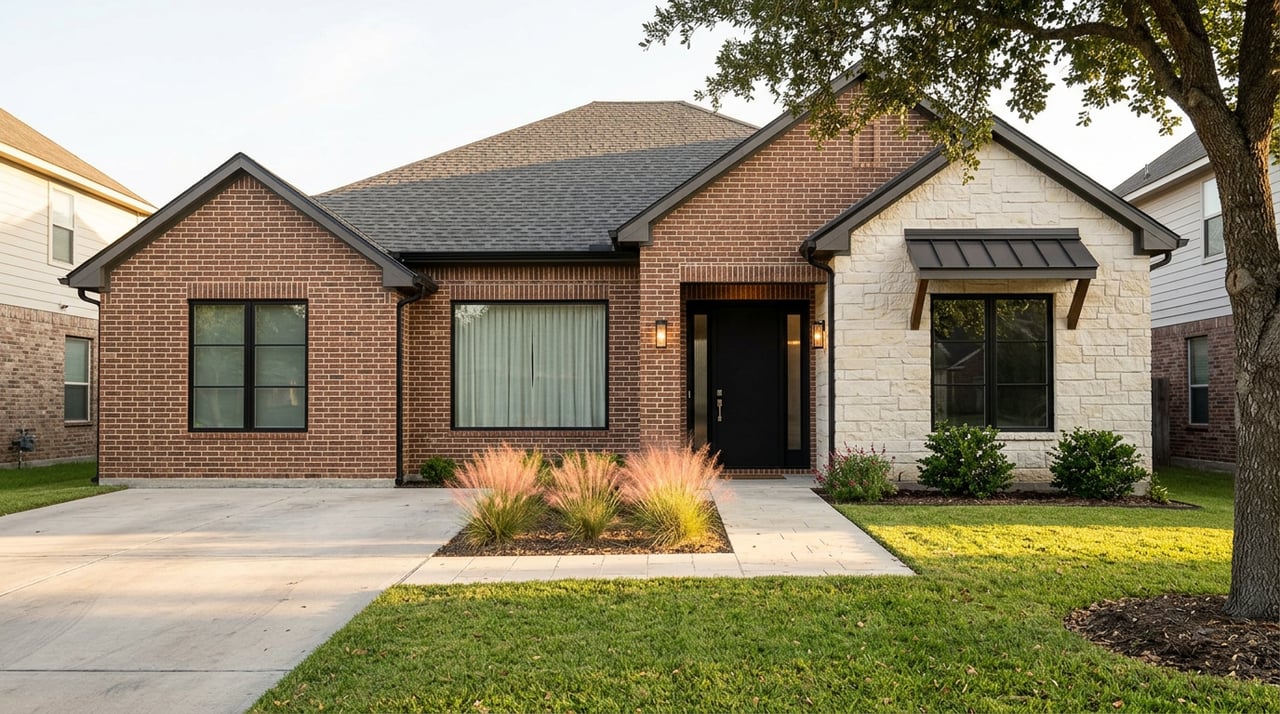
Fort Worth offers a wide range of housing types. Close to downtown, you’ll find walkable streets with century-old bungalows and infill apartments. Farther out, expect mid-century ranch homes and large master-planned communities with newer construction.
If you want character and a quick trip to dining and arts, look at older neighborhoods like Fairmount, Ryan Place, Mistletoe Heights, and Arlington Heights. Many homes date from the early 1900s to 1940s and feature Craftsman bungalows, Tudor details, and tree-lined streets. The Near Southside around Magnolia Avenue adds an artsy vibe with murals, repurposed warehouses, and independent restaurants. The area’s events and street life make it easy to spend weekends close to home.
Prefer a short commute and nightlife on your doorstep? Downtown’s Sundance Square and the West 7th corridor offer apartment and condo living near theaters, restaurants, and public spaces. You can catch a show at Bass Performance Hall, walk to dinner, then stroll back home. If walkability and low-maintenance living top your list, start here.
For a feel of the area, explore the city’s guide to Sundance Square and Downtown.
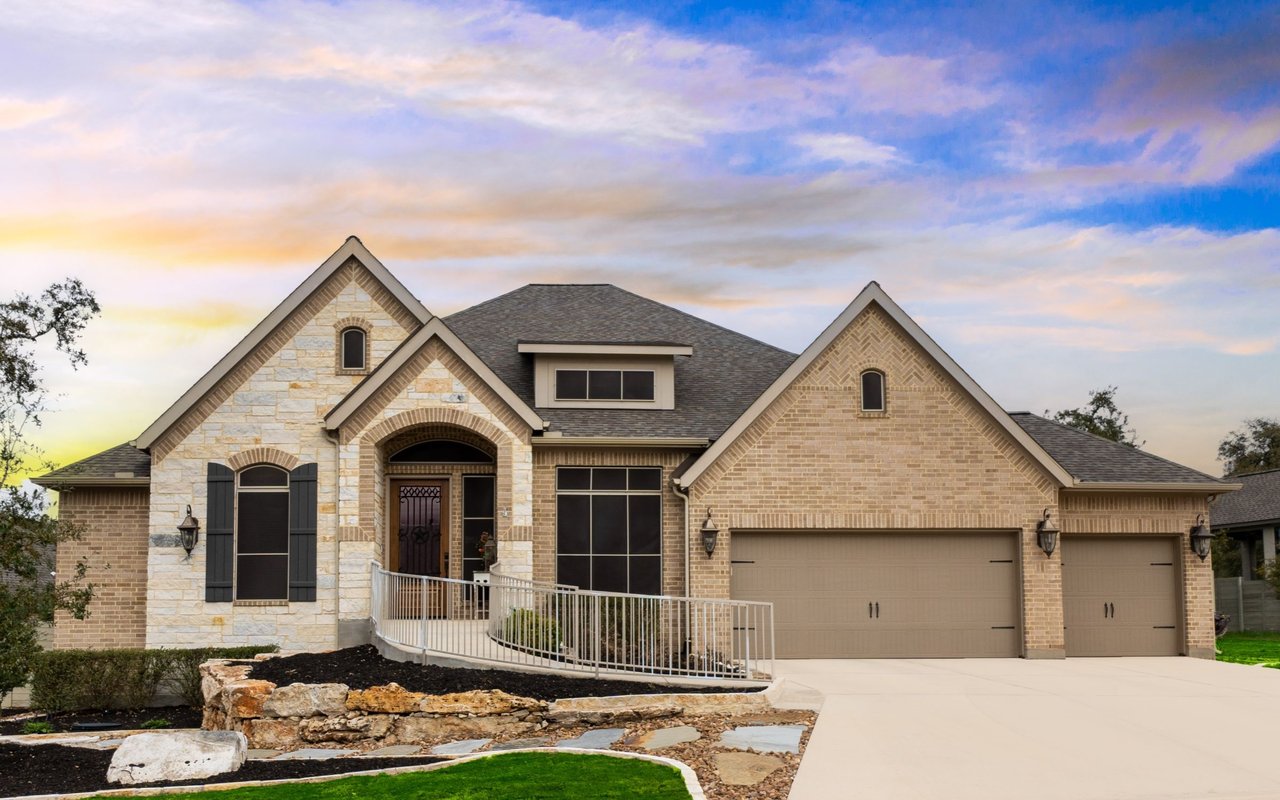
Recent population growth has pushed new construction beyond Loop 820, especially north and southwest. You’ll find larger lots, modern floor plans, community amenities, and a quieter street feel. The tradeoff can be a longer drive for central-city jobs and downtown events, so weigh commute time with space and budget as you decide.
Regional coverage has highlighted how much of this growth is happening on the edges of the city. You can read more about the growth trend in recent reporting on Fort Worth’s rising population.
Fort Worth is car-oriented with a mean commute of about 27 minutes for residents. That average hides differences by neighborhood, so your time can drop if you live close to work or a transit stop. Major routes like I-35W, I-30, I-20, Loop 820, and US-287 make cross-town and suburban trips straightforward, with typical rush-hour peaks to plan around.
For a citywide snapshot, see the ACS-based commute profile. For highway context and layout, browse the Fort Worth overview.
Trinity Metro runs local transit. Two rail lines can make your life easier:
If you plan to rely on transit, map your most frequent trips first. Living near a station can reduce your car time and stress.
Fort Worth’s Cultural District packs national-caliber museums into a compact area. The Kimbell Art Museum, the Modern Art Museum of Fort Worth, and the Amon Carter Museum host rotating exhibitions and community programs. It is easy to pair a museum afternoon with dinner nearby. Explore current shows on the Kimbell’s site.
The Historic Stockyards keeps Fort Worth’s Western identity front and center. Expect twice-daily cattle drives, rodeos, live music, and western shops. It is a top pick for out-of-town visitors and a fun local go-to for festivals and special events. Get a feel for the calendar at the Fort Worth Stockyards site.
You will find everything from Texas barbecue and steakhouses to chef-driven spots and late-night tacos. Near Southside and West Magnolia are known for diverse, independent eateries and lively street events. If you enjoy craft beer, Martin House Brewing and long-standing Rahr & Sons are part of the local scene. Check out Martin House Brewing to sample a local favorite.
The Trinity Trails system follows the river with miles of paths for biking, running, and paddling. Panther Island hosts events and gives you easy access to the water. The Fort Worth Botanic Garden and the downtown Water Gardens offer calm green spaces for a break in the day. Weekend routines often include a trail loop, a farmers’ market, and a late lunch nearby.
Fort Worth is home to major campuses that shape nearby neighborhoods. Texas Christian University anchors the TCU-area market and reports undergraduate enrollment near 12.9k in recent updates. For details, see TCU’s enrollment news.
For K–12, Fort Worth ISD is the primary district within the city, and Tarrant County includes multiple neighboring independent districts. School boundaries and ratings change over time, so confirm current information before you buy or lease. A neutral starting point is the Fort Worth ISD page on GreatSchools.
The broader DFW economy supports a wide range of careers. Fort Worth’s core sectors include aerospace and defense manufacturing, aviation and logistics linked to DFW Airport and Alliance corridors, healthcare, education, and a growing professional services base. The state’s economic reports give a good high-level view of the region’s strengths. You can review the statewide regional data on the Texas Comptroller’s site for DFW economic context.
If you are curious about aerospace activity, recent coverage of F-35 production offers a window into the sector’s local footprint. See an example in this report on regional F-35 assembly milestones.
Housing prices in public indexes vary by source and method. City-level medians can differ month to month and across datasets, so use them as a directional guide, not a final answer. What you will notice on the ground is that prices, lot sizes, and home ages shift quickly by neighborhood and distance from the core. If you want the clearest picture, compare recent sales around your target blocks and weigh the tradeoffs between renovation needs, space, and commute time.
Safety varies by neighborhood and changes over time. For the most current view, check local police crime maps, neighborhood association updates, and federal datasets. The FBI’s resources are a good starting point for official crime data and reporting standards. You can explore federal updates on the FBI news feed.
Use this quick checklist as you narrow neighborhoods:
When you are ready to compare short lists and run numbers, a finance-informed approach saves time and stress. Our team can help you align budget, financing options, and offer strategy with the realities of each micro-market.
If Fort Worth sounds like home, let’s match your wish list to the right streets and floor plans. We bring a clear, finance-first plan to every search and a steady process that protects your interests. Get a Free Home Valuation and talk through next steps with Henderson Realty Group.
Your home is more than an address—it’s a reflection of your lifestyle. Partner with an expert who truly understands what luxury means.
ADDRESS 221 Bedford Rd Ste 108 Bedford TX 76022